

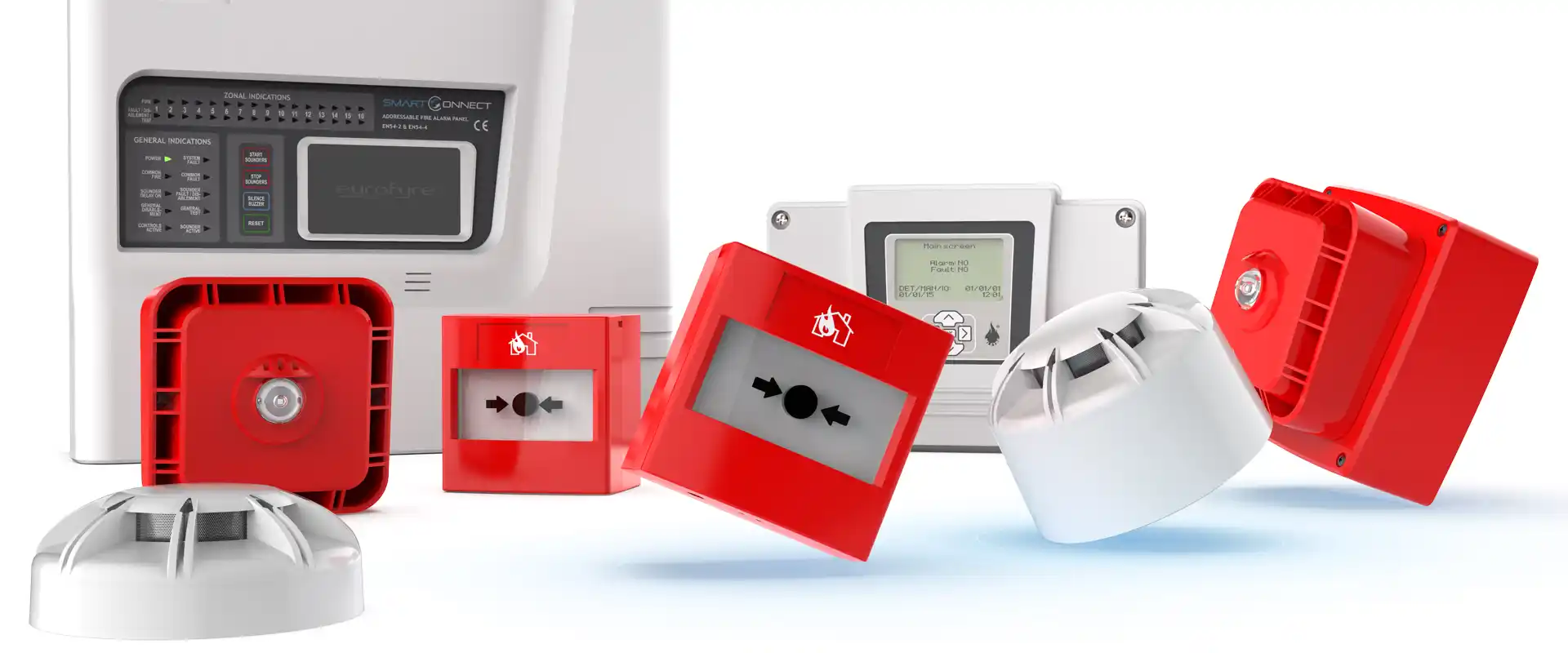
Fire safety has become a top priority for businesses and households alike. A wireless fire alarm system offers advanced protection without the need for extensive wiring, making it a preferred choice for many industries. On Stock on Fire, you can find a wide range of wireless solutions and components designed to meet modern fire safety requirements.
When it comes to understanding fire alarm system initiating devices: types, functions, and placement, it’s important to know how each component contributes to reliable fire detection. From smoke detectors and manual call points to advanced wireless transmitters, proper selection and placement ensure maximum safety and compliance with fire protection standards.
Protect your property—explore our fire alarm solutions today:
What Is a Wireless Fire Alarm System?
A wireless fire alarm system is a safety solution that uses radio signals instead of physical wiring to connect detectors, call points, and control panels. This makes installation faster and more flexible, especially in areas where traditional cabling is difficult or costly.
Key Differences Between Wireless and Wired Systems
- No cabling required: Reduces installation time and disruption.
- Flexibility: Easier to expand or relocate devices.
- Modern communication: Wireless systems use secure radio frequencies to ensure reliability.
How Does a Wireless System Work?
Each component—such as detectors, sounders, and manual call points—communicates wirelessly with the control panel. This ensures instant alerts in case of smoke, heat, or fire hazards.
Benefits of Using Wireless Fire Alarm Systems
Easy Installation Without Cables
With no wires, installation is quick and cost-effective—perfect for buildings already in use.
Scalability and Flexibility
Wireless systems are easy to expand. You can add more devices as your facility grows.
Reliable Communication and Fewer False Alarms
Modern systems ensure strong signals, reducing the chances of communication errors.
Suitable for Renovated and Historical Buildings
Ideal for heritage sites and places where cabling is not feasible.
Key Components of a Wireless Fire Alarm System
Smoke and Heat Detectors
Essential for detecting early signs of fire. Explore options on Stock on Fire Shop.
Wireless Manual Call Points
Allow individuals to manually trigger the alarm during an emergency.
Control Panel and Transmitters
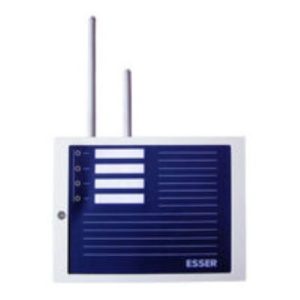
The brain of the system. Devices like the Esser Gateway 805594.10
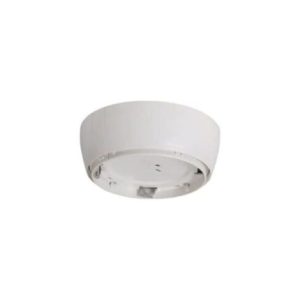 and Esser Transponder 805595.10 provide reliable communication between components.
 Sounders and Notification Devices
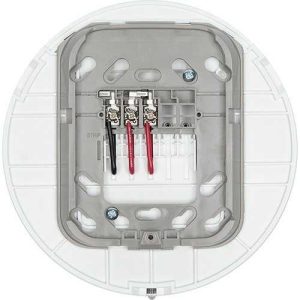
Products like the Farenhyt WAV-CRL Wireless AV Base
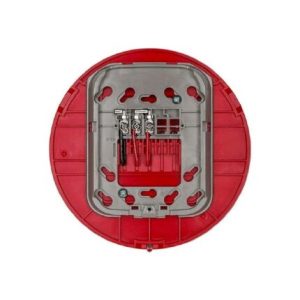 and Farenhyt WAV-CWL Wireless AV Base ensure clear alerts during fire incidents.
 Batteries and Power Management
Long-life batteries ensure uninterrupted performance. Check out Esser Interface 805602.10
 and Mounting Frames for installation support.

Add an extra layer of safety to your site now:
A reliable Fire Fighting System: Essential Guide to Types, Components, and Installation is the backbone of any building’s fire protection strategy. From sprinklers and fire pumps to alarm integration, understanding each component and its correct installation ensures maximum safety and compliance with international standards.
Applications of Wireless Fire Alarm Systems
Commercial Buildings
Offices, malls, and hotels benefit from flexible and non-disruptive installation.
Residential Complexes
Protect apartments and villas with scalable systems.
Warehouses and Industrial Facilities
Ensure worker and asset safety in large spaces.
Temporary Events and Tents
Quickly deploy wireless systems for exhibitions, concerts, and festivals.
How to Choose the Right Wireless Fire Alarm System
Compliance with Fire Safety Regulations
Always ensure your system meets local and international fire safety standards.
Coverage Area and Number of Devices
Choose a system that supports the size and complexity of your property.
Battery Life and Maintenance Requirements
Select devices with long battery life for lower maintenance costs.
Integration with Existing Security Systems
Systems like the Farenhyt W-USB Wireless USB Key allow integration with monitoring tools.
 Installation and Maintenance Tips
Pre-installation Site Survey
Check for potential signal interference and device placement.
Regular Testing and Maintenance
Schedule routine checks to ensure system reliability.
Battery Replacement Schedule
Replace batteries periodically to avoid unexpected downtime.
Firmware and System Updates
Keep your devices updated to maintain security and performance.
Common Challenges and How to Overcome Them
Signal Interference
Use high-quality devices and conduct site surveys to reduce interference.
False Alarms
Modern systems with advanced sensors minimize false alerts.
Device Compatibility
Choose systems from reliable suppliers like Stock on Fire for guaranteed compatibility.
The Fire Alarm Control Panel: Your Complete Guide is central to any fire detection system. It connects detectors, manual call points, and notification devices, ensuring instant alerts and smooth coordination during emergencies.
Early detection saves lives—make the right choice now:
FAQs
Are wireless fire alarms as reliable as wired ones?
Yes, modern wireless fire alarms are designed to be just as reliable, with secure communication protocols.
How long do the batteries last in a wireless system?
Typically 3–5 years, depending on the device and usage.
Is a wireless fire alarm system suitable for large buildings?
Yes, with proper planning and enough devices, even large complexes can be protected.
What is the range of a wireless fire alarm system?
Ranges vary but can extend up to several hundred meters indoors.
Can I integrate a wireless fire alarm with my smart home system?
Yes, many modern systems allow integration with smart home or building automation.
Conclusion:
A wireless fire alarm system provides flexibility, scalability, and modern safety for businesses and households. With trusted products available on Stock on Fire, you can easily build a reliable fire safety system tailored to your needs.
