

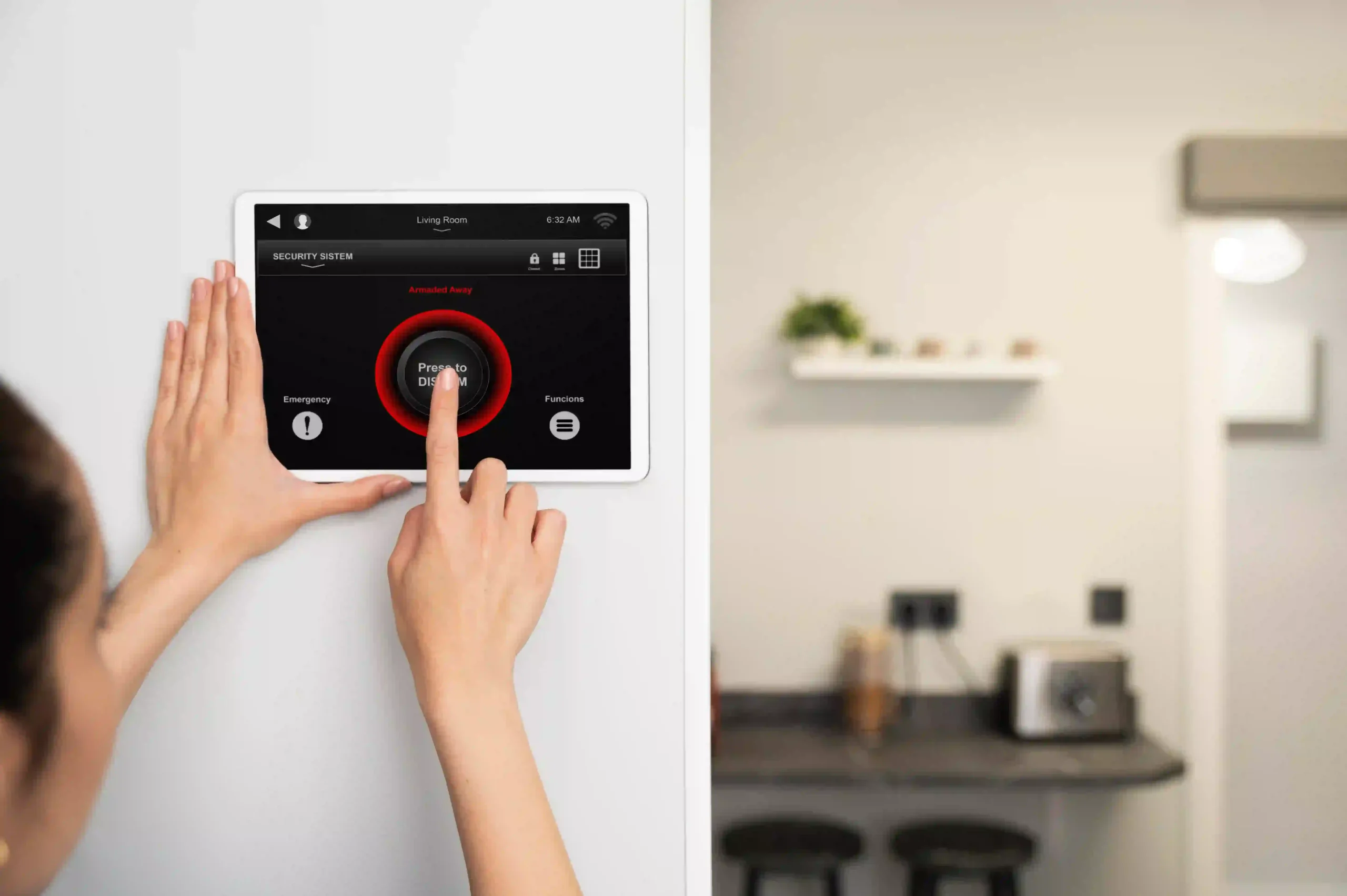
Initiating devices play a vital role in fire alarm systems. They act as the primary tools for identifying potential fire hazards by detecting smoke, heat, or flames and sending signals to the fire alarm control panel (FACP). Having a clear understanding of how these devices work, their types, and the best practices for installation can significantly enhance safety in any environment.
To ensure complete fire safety in any facility, it’s essential to integrate a reliable Fire Fighting System that works in harmony with your detection and alarm devices. This comprehensive approach enhances both response time and overall protection.
Protect your property—explore our fire alarm solutions today:
What Are Initiating Devices in Fire Alarm Systems?
The Role of Initiating Devices in Early Fire Detection
These devices are designed to recognize the earliest signs of fire. By monitoring environmental changes, they can detect risks promptly and help contain incidents before they escalate.
How They Communicate With the Fire Alarm Control Panel
Once activated, the initiating devices send a signal to the control panel, which then alerts the building’s occupants through sound and visual notifications. The connection between devices and panels may be wired or wireless.
Manual vs. Automatic Initiating Devices
Manual initiating devices, such as pull stations, need someone to activate them physically. Automatic devices like smoke and heat detectors operate continuously, detecting changes and sending alerts on their own.
Types of Fire Alarm Initiating Devices
Smoke Detectors
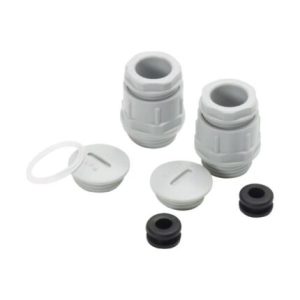
These detect particles from combustion and are used widely across different building types. You can find related equipment like this smoke detector kit on Stock On Fire.
 Heat Detectors
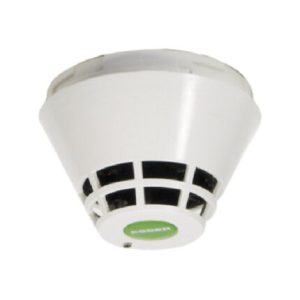
Activated by temperature increases, heat detectors are ideal for areas like kitchens or boiler rooms. A good example is the Esser 761162 Heat Detector.
Flame Detectors
These are suitable for high-risk areas such as fuel storage zones. They detect light emitted by flames, making them effective in identifying fires quickly.
Manual Pull Stations
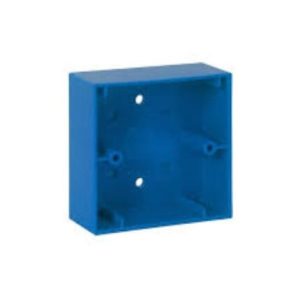
Placed in accessible locations, pull stations let individuals manually activate an alarm. Explore options like 704801-10 MCP Housing

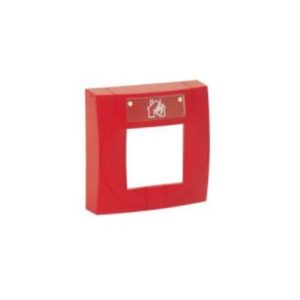 and 704981 Surface Mount.
Don’t wait for danger—install trusted initiating devices now:
Air Duct Detectors
These are installed inside air ducts to detect smoke traveling through HVAC systems, helping prevent the spread of fire.
Beam Detectors
Used in large open spaces, beam detectors employ a projected light beam to detect smoke over extended areas.
Water Flow and Tamper Switches (For Sprinkler Integration)
These devices monitor water movement within fire sprinkler systems and send alerts in case of tampering or activation.
The efficiency of any fire detection setup largely depends on the Fire Alarm Control Panel, which acts as the central hub for receiving signals from initiating devices and triggering the appropriate emergency responses across the system.
Key Features to Consider When Choosing Initiating Devices
Sensitivity and Detection Speed
The quicker a device detects fire, the better the chances of preventing major damage. Sensitivity is key in choosing the right unit for each area.
Compatibility With the Fire Alarm Panel
Ensure that any device selected is compatible with the existing fire alarm control panel. Mismatched systems may cause signal errors or failure to alert.
Compliance With NFPA & Local Codes
Choosing devices that meet NFPA 72 and local fire codes is not only essential for safety but also for meeting legal requirements.
Maintenance and Testing Requirements
Easy-to-maintain devices save time and ensure long-term performance. Devices like the remote indicator simplify monitoring and troubleshooting.
 Proper Placement and Installation Guidelines
NFPA 72 Guidelines for Placement
Following NFPA 72 standards ensures correct positioning of detectors for maximum effectiveness.
Areas Where Certain Devices Are Required
Install heat detectors in high-temperature areas and smoke detectors in corridors, bedrooms, and offices to ensure full coverage.
Common Mistakes to Avoid During Installation
Avoid installing detectors near air vents or windows, which may interfere with detection. Manual pull stations should always be clearly visible and within easy reach.
Integration With Other Fire Safety Systems
Connection With Suppression Systems
Initiating devices can work with suppression systems to activate sprinklers or extinguishers automatically. Explore compatible systems on the Stock On Fire shop.
Role in Emergency Notification and Evacuation
These devices can be linked to mass notification systems, helping to guide evacuation and inform building occupants efficiently.
For high-risk environments such as industrial facilities, having a clear Understanding of Fire and Gas Detection Systems: Components, Technologies, and Applications is essential. These systems combine advanced sensors and control technologies to provide early warnings and ensure timely intervention during fire or gas leak incidents.
Start protecting your space—shop fire alarm equipment today:
FAQs
What is the difference between initiating and notification devices?
Initiating devices detect hazards and send alerts to the control panel, while notification devices inform people through alarms and signals.
How often should initiating devices be tested?
Testing should occur annually at a minimum, or more frequently based on manufacturer recommendations and local code requirements.
Are wireless initiating devices reliable?
When correctly installed and maintained, wireless systems offer excellent reliability and easier installation.
Can one initiating device trigger multiple alarms?
Yes, a single initiating device can activate several systems, such as alarms, strobes, and suppression mechanisms.
H3: Do initiating devices require a power source?
Most initiating devices need power from the fire alarm panel or a backup battery to function during outages.
To view the full product lineup of reliable initiating and safety devices, visit Stock On Fire.
