

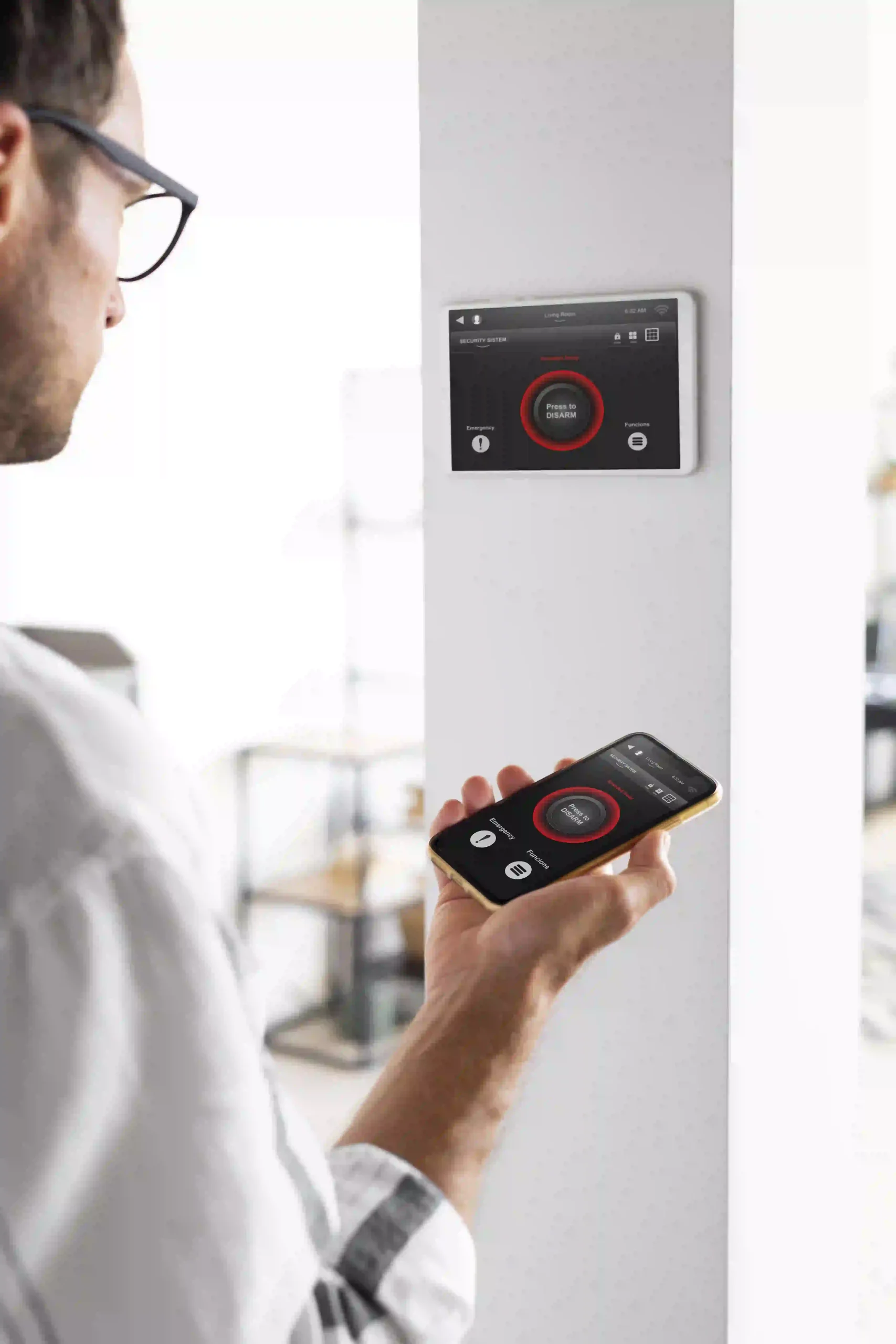
In industries where safety is not a luxury but a necessity, Fire and Gas Detection Systems play a crucial role in protecting lives, equipment, and facilities. From oil refineries to power stations, these systems are essential for preventing catastrophic events and ensuring quick response in case of emergencies.
Let’s explore everything you need to know—from components and technologies to real-life use cases and the best fire and gas detection system options available today.
To ensure workplace safety in industrial and construction zones, Gas Detection Systems play a vital role in identifying hazardous gas leaks before they pose serious risks. Learn more about how these systems work and why they’re essential for every job site in our full guide.
New Arrivals Just Dropped – Start Shopping:
shop now
What is a Fire and Gas Detection System?
Definition and Purpose
A Fire and Gas Detection System (FGDS) is an integrated safety mechanism designed to detect fires, flammable gases, toxic leaks, and oxygen deficiency. These systems work by continuously monitoring the environment and triggering alarms or safety responses when abnormal conditions are detected.
Key Industries Using These Systems
- Oil & Gas: Detects flammable gas leaks and ensures process safety.
- Manufacturing: Protects workers in environments where chemicals are used.
- Utilities: Prevents accidents in power generation and water treatment plants.
Components of a Fire and Gas Detection System
Fire Detectors
- Smoke Detectors: Optical or ionization-based sensors.
- Flame Detectors: Use UV, IR, or combined sensors.
- Heat Detectors: Triggered by temperature changes.
Gas Detectors
- Detect toxic, flammable, or asphyxiant gases (e.g., methane, H₂S, CO, O₂).
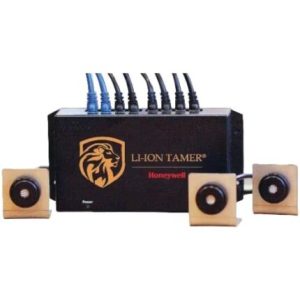
- Example: The Li-Ion Tamer LT CTR-C-HON detects lithium-ion battery off-gassing events.
Controllers and Alarm Outputs
Controllers evaluate sensor data and activate sirens, warning lights, or emergency shutdowns.
Integrated Safety Devices and Emergency Shutoffs
Advanced systems interface directly with ESD systems for automatic shutdown when danger is detected.
Types of Gas Detectors and Technologies
Fixed vs Portable Gas Detectors
- Fixed detectors are installed at known risk points.
- Portable detectors are carried by personnel for mobile safety.
Technologies Used
- Infrared (IR): For hydrocarbons.
- Catalytic Bead: Widely used for flammable gases.
- Electrochemical: Excellent for toxic gases.
- Ultrasonic: Detects gas leaks using sound waves.
Smart Detection Systems
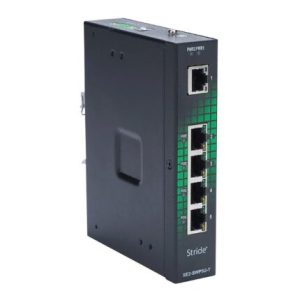
Wireless solutions like the Li-Ion Tamer LT ACC-POE-4 enable IoT integration, enhancing responsiveness and monitoring.
Get the Look. Pay Less. Shop Today:
shop now
System Integration and Communication
SCADA & DCS Integration
Systems can connect with control platforms like SCADA and DCS, allowing for centralized oversight.
Compatibility with Emergency Shutdown (ESD) Systems
Ensures swift automatic response in high-risk zones.
Remote Monitoring and IoT Capabilities
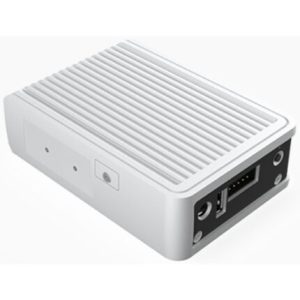
- Cloud-enabled detectors such as Li-Ion Tamer LT CTR-SML support real-time alerts and predictive maintenance.
Applications in Different Sectors
Oil Refineries and Petrochemical Plants
- Must comply with ATEX and IECEx standards.
- FGDS helps prevent explosions from undetected gas leaks.
Power Plants and Electrical Stations
-
- Prevent transformer fires or battery hazards using Li-Ion Tamer LT CTR-C-HON-2.
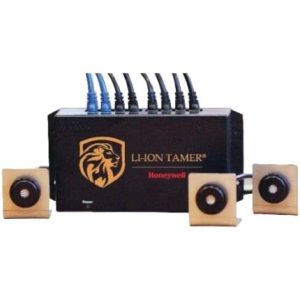
- Prevent transformer fires or battery hazards using Li-Ion Tamer LT CTR-C-HON-2.
Exclusive Styles. Unbeatable Prices. Shop Now!:
shop now
Warehouses and Industrial Manufacturing
- Ensure safety in storage zones with combustible materials.
Commercial Buildings and Hospitals
- Used in HVAC and utility rooms to detect leaks and overheating.To learn more about how fire detection systems work and why they’re critical for safety, check out our full guide on Understanding Fire Detection Systems: Essential Components and Benefits. It covers the main components, how they function, and the key advantages of having a reliable detection system in place.
Key Benefits of Fire and Gas Detection Systems
Early Hazard Detection and Response
According to NFPA, early detection can reduce fire damage by over 60%.
Reduced Risk of Catastrophic Events
Gas-related explosions caused over 20,000 injuries worldwide between 2017–2022 (source: GlobalData).
Regulatory Compliance and Insurance
Using FGDS helps comply with OSHA, NFPA, and local HSE regulations—often reducing insurance premiums.
Protecting Personnel and Equipment
Minimizes downtime and protects your most valuable assets—your team.
How to Choose the Right System
Site Risk Assessment
Identify all risk zones and leakage points before choosing a system.
Zone Classification and Coverage Planning
Design detectors based on IECEx zoning (Zone 0, 1, 2 for gas; Zone 20, 21, 22 for dust).
Certification and Standards
- Look for NFPA-compliant and ATEX-certified devices.
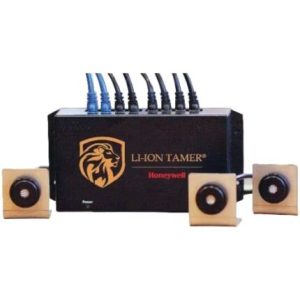
- The Li-Ion Tamer LT CTR-C-HON is a perfect fit for battery room monitoring.
Maintenance and Testing Best Practices
Calibration and Sensor Replacement
Sensors typically need calibration every 6–12 months for accuracy.
Functional Testing and Inspections
Conduct scheduled bump tests and functional alarm checks.
System Upgrades and Retrofitting
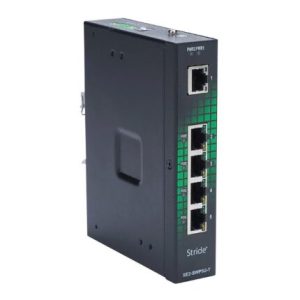
Modernize legacy systems with smart, cloud-connected units like Li-Ion Tamer LT ACC-POE-4.
Common Challenges and Solutions
False Alarms
- Can be reduced by using multi-sensor logic and software filters.
Harsh Environmental Conditions
- Use explosion-proof or weather-rated enclosures.
System Integration Complexities
- Work with specialized vendors like Stock On Fire who understand your operational needs.
Latest Trends and Innovations
AI and Predictive Maintenance
- AI can now predict sensor failure or detect gas patterns before danger occurs.
Cloud-based Monitoring
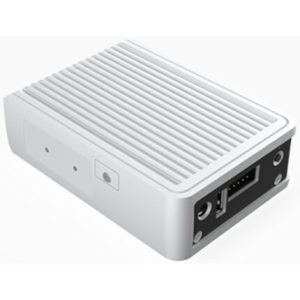
- Remote teams can view data from devices like Li-Ion Tamer LT CTR-SML.
Integration with Building Automation Systems (BAS)
- Smart buildings now include FGDS within their HVAC and security systems.
FAQs About Fire and Gas Detection Systems
Q1: What is the average fire and gas detection system price?
A: Prices vary from $500 to $5,000+ depending on features, certification, and coverage area.
Q2: What’s the best fire and gas detection system for battery storage rooms?
A: The Li-Ion Tamer LT CTR-C-HON-2 is optimized for lithium-ion applications.
Q3: How often should detectors be maintained?
A: Follow manufacturer guidelines—usually every 6 months for calibration.
Conclusion: The Role of Fire & Gas Detection in Industrial Safety
The right Fire and Gas Detection System can mean the difference between a minor incident and a catastrophic event. With advancements in smart sensors, cloud integration, and system intelligence, now is the time to invest in the best fire and gas detection system tailored to your operation.
Call to Action
Explore our full range of certified fire and gas detection solutions at Stock On Fire Shop and protect your team, your site, and your future—starting today.
Or, save your preferred picks for later with theWishlist feature.
