

When it comes to industrial safety, one of the most overlooked yet critical aspects is the early detection of hazardous gases. Gas Detection Systems play a vital role in preventing disasters, saving lives, and ensuring regulatory compliance. Whether you operate a manufacturing plant, an energy facility, or a construction site, these systems should be at the core of your safety strategy.
Why Gas Detection Systems Matter
According to the International Labour Organization (ILO), work-related accidents and illnesses claim over 2.3 million lives annually, with hazardous gas exposure being a major contributor in industrial sectors. Toxic gas leaks, flammable vapors, and oxygen-deficient atmospheres pose a silent threat that can escalate within seconds.
This is where Gas Detection Systems come into play — by continuously monitoring the air for dangerous substances, these systems provide real-time alerts to prevent catastrophic events.
Real-Life Example: The Kuwait Refinery Incident
In 2022, a gas leak at a refinery in Kuwait resulted in multiple injuries and raised concerns about insufficient gas detection measures. Post-incident analysis revealed that manual inspection delays contributed to the scale of the accident. A properly installed and monitored gas detection system could have prevented the damage altogether.
Key Benefits of Advanced Gas Detection Technology
- Early Leak Detection: Real-time alerts for toxic and combustible gases.
- Regulatory Compliance: Meets OSHA, NFPA, and local codes.
- Cost Savings: Reduces downtime and avoids legal penalties.
- Worker Protection: Ensures breathable air and minimizes health risks.
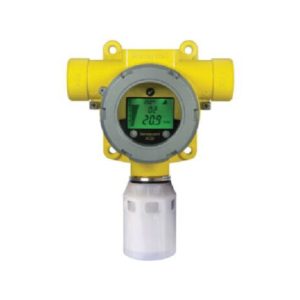
One of the most trusted products in this space is the Honeywell Sensepoint XCD, which offers flexible gas sensor technology and is widely used in oil & gas, wastewater treatment, and petrochemical sectors.
Best Devices for Industrial Gas Detection
Explore these reliable products for different applications:
- Honeywell SPXCDALMFX Sensepoint XCD: A robust solution for toxic, flammable, and oxygen gas detection.
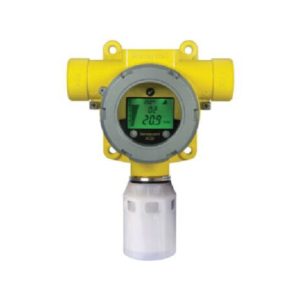
- Honeywell SPXCDCC: Offers versatile control capabilities, ideal for centralized monitoring.

- Li-ion Tamer LT-ACC-ERO-16: A sensor node specialized in detecting lithium-ion battery off-gassing.

- Li-ion Tamer LT-ACC-ETS-16: External trip sensor for quick reaction and system integration.
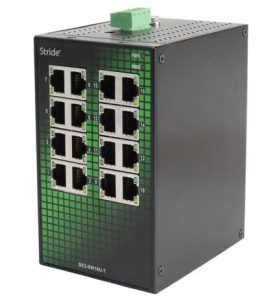
- Li-ion Tamer LT-ACC-HUB-POE-HON: Central hub with Power-over-Ethernet for system connectivity.

- Li-ion Tamer LT-ACC-NCL-10: Noise classifier for distinguishing between normal and emergency signals.
These devices are designed for a wide range of environments, from data centers and warehouses to hazardous manufacturing floors.
Explore our full today and get expert advice tailored to your industry needs:
Integrating With Fire Safety and Communication Systems
Gas detection is most effective when integrated with broader site safety frameworks, including:
1. Fire Safety Distributors
Reliable distributors ensure certified products, support, and after-sales services. Working with experienced Fire Safety Distributors ensures that your detection systems meet international and local safety codes.
2. Construction Site Alarm Systems
Combining gas detection with robust Construction Site Alarm Systems provides layered protection. For example, pairing Honeywell sensors with audible/visual alarms ensures that any leak is immediately acted upon across the site.
3. Best Outdoor PA Systems
Communication is critical during emergencies. Integrating your gas detection network with the Best Outdoor PA Systems allows you to alert all staff simultaneously — even in large or noisy environments — ensuring a swift and organized response.
Industry Use Cases
- Battery Energy Storage Facilities: Utilize Li-ion Tamer products to monitor thermal runaway in lithium-ion systems.
- Oil Refineries: Use Honeywell Sensepoint XCD for flammable gas detection near pumps and storage.
- Construction Sites: Integrate detection systems with PA and strobe alarms to ensure compliance with occupational safety standards.
Frequently Asked Questions
Q1: How do gas detection systems work?
A: They use specialized sensors to detect specific gases in the environment. When concentrations exceed safe thresholds, the system triggers alarms or initiates shutdown procedures.
Q2: Can these systems detect all types of gases?
A: Different detectors are designed for different gases — flammable, toxic, or oxygen levels. It’s important to match the device to the site’s risk profile.
Q3: Are portable gas detectors effective?
A: Yes, especially for maintenance crews or confined space work, but they should complement rather than replace fixed systems.
Q4: What industries need gas detection systems most?
A: Oil & gas, chemical processing, battery storage, construction, mining, and wastewater treatment.
Call to Action
Investing in the right Gas Detection Systems can be the difference between a safe work environment and a major accident. At Stock On Fire, we provide a curated selection of advanced detection and safety products from trusted brands like Honeywell and Li-ion Tamer.
Ready to secure your site?
Explore our full stock on fire today and get expert advice tailored to your industry needs.
