

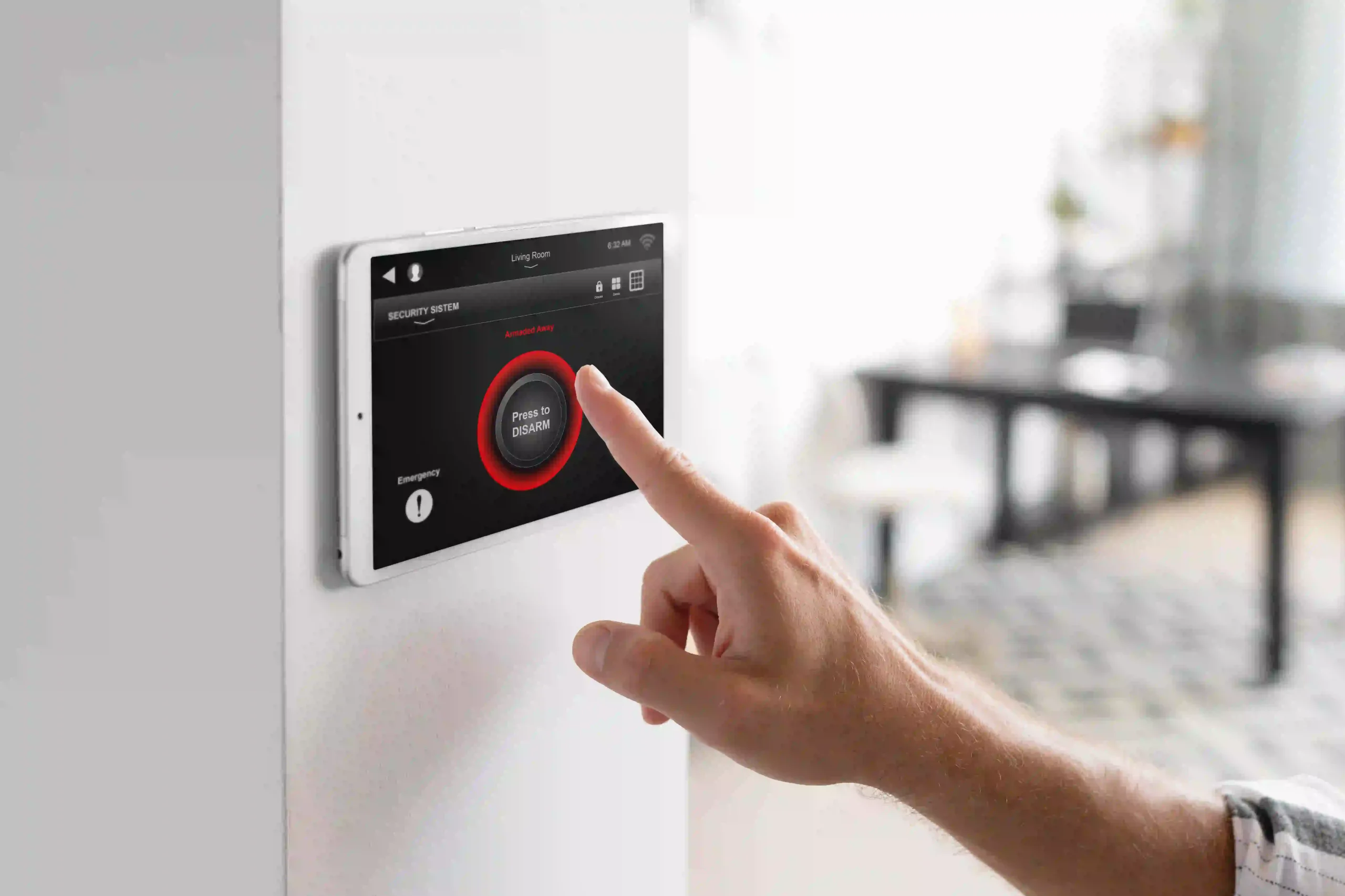
From smart factories to energy-efficient buildings, automation systems have become the silent engine behind many modern industries. Whether you’re managing a manufacturing line, a logistics hub, or even a smart home, implementing the best automation system can reshape operations from the ground up — boosting productivity, safety, and scalability like never before.
In this blog, we’ll break down the core components of automation systems, explain their benefits, explore use cases across sectors, and guide you on choosing the right one for your needs — all while referencing real-world technologies you can find on Stock on Fire, the first GCC marketplace specializing in automation and industrial systems.
Fire Door Holders play a crucial role in enhancing both safety and accessibility within commercial and industrial buildings. These devices are designed to hold fire doors open under normal conditions, allowing for smooth traffic flow, and automatically release them to close in the event of a fire alarm or power failure. Installing reliable fire door holders ensures compliance with safety regulations while preventing the spread of fire and smoke, making them essential components in any comprehensive fire protection system. For high-quality solutions, always choose certified holders that integrate seamlessly with your fire alarm control panels.
Understanding the Basics of Automation Systems
Definition and Core Components of an Automation System
An automation system refers to a combination of devices, sensors, controllers, software, and networks that work together to perform tasks automatically — with minimal human intervention. Its primary goal is to improve accuracy, repeatability, and safety.
The core components include:
- Controllers like PLCs (Programmable Logic Controllers)
- Sensors and Detectors for monitoring
- Actuators to perform physical actions
- Software systems for process management and visualization
- Communication interfaces like Modbus, BACnet, or Ethernet/IP
Example: Products such as the Notifier 30-3033 Smoke Detector are part of larger automation frameworks for fire safety, detecting smoke and triggering alarms automatically.
Everything you need to stay compliant and protected—Order Now:
shop now
Types of Automation Systems Used Today
There are several types of automation systems, including:
- Fixed Automation – used in mass production (e.g., automotive)
- Programmable Automation – used for batch production (e.g., food processing)
- Flexible Automation – adapts to product changes quickly (e.g., CNC machines)
- Industrial Automation – broad application across industries, with systems like Notifier Fire Alarm Panels
How Automation Systems Work in Practice
Take a fire alarm system: detectors like the Notifier FSP-851 Smoke Detector identify threats, send signals to control panels, which then activate alarms and building-wide notifications. It all happens without human input, saving precious response time.
When planning a new building or upgrading an existing facility, working with a certified Fire Systems Installer is essential to ensure both safety and code compliance. From selecting the right alarm panels and smoke detectors to integrating gas suppression systems, a qualified installer understands local regulations and industry best practices. Whether it’s a commercial tower, warehouse, or healthcare facility, hiring the right Fire Systems Installer helps minimize risk, prevent costly mistakes, and deliver reliable, long-term protection.
Key Benefits of Implementing Automation Systems
Increased Efficiency and Accuracy
Automation reduces human error significantly. According to a study by McKinsey, automation can improve productivity by up to 30% in industrial processes. Systems such as fire detection and suppression panels ensure consistent response to hazards with zero downtime.
For example, the Notifier NFS-320 Intelligent Fire Alarm Control Panel delivers accurate and rapid emergency management in critical facilities.
Cost Reduction and Labor Optimization
By reducing manual tasks, businesses can repurpose labor for high-level strategy roles. A Deloitte report shows companies implementing automation see cost savings of 20–40% over 3 years.
Choosing the best automation system can also reduce training time, lower maintenance costs, and eliminate repetitive manual tasks.
Enhanced Safety and Monitoring Capabilities
Safety is non-negotiable. Systems like Notifier Flame Detectors or Gas Detection Panels help prevent catastrophic incidents in factories, oil facilities, and hospitals.
With real-time data collection and monitoring, automation systems offer unmatched visibility and response times in critical scenarios.
Applications of Automation Systems Across Industries
Automation in Manufacturing and Industrial Production
Manufacturing automation is booming — with over 3 million industrial robots in use globally. Assembly lines now rely on sensor-based control systems, conveyor automation, and precise hazard detection.
Products like the Addressable Heat Detectors play a vital role in monitoring machinery overheating in factories, preventing fire outbreaks.
Role of Automation Systems in Smart Buildings
From fire safety to HVAC control, modern buildings depend on intelligent systems. A centralized automation panel connects lighting, ventilation, and emergency detection into one cohesive unit.
Example: Notifier Fire Alarm Systems ensure early detection and evacuation, vital in malls, offices, and hospitals.
Healthcare, Agriculture, and Beyond
- Healthcare: Automation in hospitals uses systems like Notifier Gas Detectors to monitor air quality and chemical leaks.
- Agriculture: Smart irrigation and climate control use environmental sensors.
- Oil & Gas: Explosion-proof flame detectors are essential in volatile zones.
Construction Site Alarm Systems play a critical role in protecting high-risk zones from fire, theft, and environmental hazards. With valuable equipment, flammable materials, and ongoing electrical work on-site, having a reliable alarm system isn’t optional—it’s essential. Modern systems combine fire detectors, motion sensors, and CCTV integration to ensure 24/7 protection. Whether you’re managing a short-term project or a multi-phase development, investing in advanced Construction Site Alarm Systems helps reduce insurance costs, prevent downtime, and safeguard both assets and workers.
Your safety starts here. Shop trusted fire protection gear:
shop now
How to Choose the Right Automation System for Your Business
Evaluating Business Needs and Goals
Start by assessing:
- The size and nature of your facility
- Required safety standards
- Areas of potential efficiency improvement
A small warehouse may only need a Standalone Gas Detector, while a multi-level building might require a full Fire Alarm Control Panel.
Integration with Existing Systems and Scalability
Choose systems compatible with your current setup. For example, Notifier addressable devices can be integrated into larger panels later — ensuring future scalability.
Look for protocols like BACnet/IP or Modbus, which offer smoother integration.
Working with Trusted Automation System Providers
Reliability matters. Platforms like Stock on Fire offer curated, certified products with regional support. Their focus on GCC and MENA markets ensures compliance with local safety regulations and technical specs.
Future Trends in Automation Systems
AI and Machine Learning in Automation
AI-enhanced automation systems use predictive analytics to forecast maintenance needs or detect anomalies. For example, a smart fire panel could prioritize evacuation paths using occupancy data in real time.
Although AI is still evolving, systems like advanced Addressable Smoke Detectors are already leveraging smarter sensitivity modes.
Cybersecurity Challenges and Solutions
As automation systems connect to the cloud, they’re exposed to threats. Investing in systems with encrypted communication protocols and fail-safes is crucial. Always segment critical systems and monitor with intrusion detection tools.
Sustainability and Green Automation Systems
Energy-efficient automation is on the rise. According to IEA, building automation can reduce energy usage by up to 25%. Smart systems help cut emissions, optimize lighting and HVAC, and manage waste efficiently.
Installing eco-conscious systems — like automated fire suppression that uses clean agents — contributes to corporate sustainability goals.
Conclusion
Choosing the best automation system is not about picking the most expensive solution — it’s about finding the right fit for your business’s goals, risks, and growth potential. From fire alarm systems to environmental detectors, platforms like Stock on Fire offer a wide array of certified tools to support automation across sectors.
Whether you’re building a smart warehouse or upgrading a healthcare facility, automation isn’t the future — it’s the present. And with the right strategy, it’s your competitive edge.
Order now and secure your site with certified fire safety products:
shop now
Related Products Mentioned:
- Notifier Fire Alarm Panels
- Smoke Detectors
- Gas Detection Panels
- Notifier NFS-320 Fire Panel
- Notifier Flame Detectors
- Addressable Heat Detectors
Ready to Automate Your Operations?
Don’t wait for tomorrow to modernize your business. Whether you’re upgrading safety in a factory or installing smart monitoring in a healthcare facility, choosing the best automation system starts with trusted components and expert support.
Explore a full range of fire alarms, smoke detectors, gas panels, and automation accessories on Stock on Fire — the GCC’s leading marketplace for industrial and low current systems.
Start your automation journey today — with certified products, industry-leading support, and seamless delivery across the region.
When it comes to delivering crystal-clear sound across large open spaces—whether at construction sites, sports fields, school yards, or public events—the best outdoor PA systems are the ones built to handle both environmental challenges and performance demands. In 2025, top-rated systems combine weather-resistant hardware, wireless connectivity, and high-decibel clarity to ensure your message cuts through wind, noise, and distance. Choosing the right system means better safety communication, smoother events, and more professional results—no matter the location.
Frequently Asked Questions (FAQs)
Q1: What is the best automation system for fire safety?
A: For fire safety in commercial or industrial buildings, the best automation systems include addressable fire alarm panels like the Notifier NFS-320 and integrated smoke detectors such as the FSP-851 Smoke Detector. These systems provide rapid response, scalability, and real-time monitoring.
Q2: How do I choose the right automation system for a smart building?
A: First, assess your building’s needs—fire protection, HVAC control, access systems, etc. Then look for products with integration protocols like BACnet or Modbus. For fire and gas detection, Stock on Fire offers scalable solutions including Notifier Flame Detectors and Gas Detection Panels.
Q3: Can automation systems reduce operational costs?
A: Yes. Automation significantly lowers labor costs, improves efficiency, and reduces errors. Studies show businesses can save up to 40% in operational expenses within 3 years by implementing automation technologies.
Q4: Are automation systems secure from cyber threats?
A: Modern automation systems are built with encrypted protocols, password protection, and network segmentation. For enhanced security, choose systems with certified firmware updates and multi-level access controls.
Q5: Where can I find certified automation products in the Middle East?
A: Stock on Fire is the first specialized marketplace in the GCC and MENA region offering certified fire, gas, and automation products — ideal for industries, buildings, and infrastructure projects.
