

What is Gas Detection and Why is it Important?
Definition and Role of Gas Detection in Industrial Safety
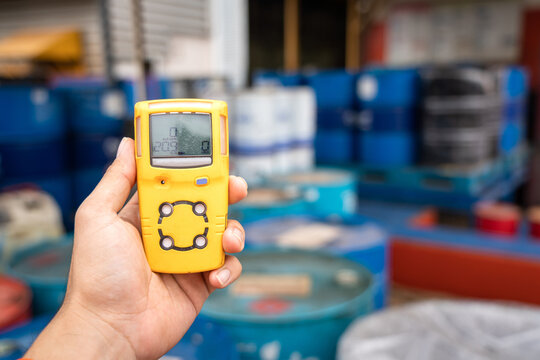
Gas detection refers to the continuous monitoring of air quality in workplaces to identify the presence of hazardous gases. In industries such as oil & gas, chemical plants, mining, and manufacturing, toxic or flammable gases pose hidden dangers that can quickly escalate into emergencies. Gas detection systems serve as the first line of defense, ensuring employees and assets remain safe.
Types of Hazardous Gases Monitored by Detection Systems
Modern gas detectors are designed to identify a wide range of threats, including:
- Combustible gases like methane and propane
- Toxic gases such as carbon monoxide, hydrogen sulfide, and chlorine
- Oxygen levels, detecting both deficiency and enrichment
By targeting these gases, companies significantly reduce the risk of explosions, poisoning, and operational shutdowns.
Why Early Gas Detection Saves Lives and Prevents Disasters
The key to workplace safety lies in early detection. A few seconds can mean the difference between a minor alert and a major catastrophe. Reports from industrial safety organizations show that facilities with automated gas detection systems experience up to 80% fewer fatal incidents compared to those without.
How Gas Detection Systems Work
Core Technologies Behind Modern Gas Detectors
Gas detectors use advanced technologies such as infrared (IR) sensors, catalytic bead sensors, and electrochemical cells. These sensors continuously measure gas concentrations and trigger alarms when dangerous thresholds are exceeded.
Fixed vs Portable Gas Detection Devices
- Fixed detectors are installed in critical areas of a facility for 24/7 monitoring.
- Portable detectors are compact devices carried by workers, providing personal protection in confined spaces or during maintenance tasks.
Integration with Fire Alarm and Building Safety Systems
For maximum efficiency, gas detection solutions are integrated with fire alarm systems, HVAC controls, and building safety networks, ensuring a coordinated emergency response.
Honeywell Gas Detection Solutions
Honeywell’s Leadership in Gas Detection Technologies
Honeywell is recognized globally for delivering innovative and reliable gas detection solutions. With decades of expertise, Honeywell designs products that meet the toughest industry requirements.
Advantages of Honeywell Detectors in Harsh Environments
Honeywell detectors are engineered to operate in extreme heat, humidity, and dusty industrial environments, where traditional detectors may fail.
Compliance with International Safety Standards
All Honeywell devices comply with ATEX, IECEx, and UL certifications, ensuring global acceptance and adherence to international safety codes.
Honeywell SPXCDALMFX – Product Overview

Technical Specifications and Sensor Capabilities
The Honeywell SPXCDALMFX Sensepoint XCD is a fixed-point gas detector designed for detecting flammable, toxic gases, and oxygen. It features a smart sensor design for quick replacement and reduced downtime.
Ideal Applications Across Industrial and Commercial Sectors
This detector is suitable for oil refineries, gas pipelines, wastewater treatment plants, and chemical production facilities, offering reliable monitoring in high-risk zones.
Benefits of Using the SPXCDALMFX for Reliable Gas Monitoring
- Real-time detection with visual and audible alarms
- Simple installation and maintenance
- Long-term reliability in demanding industrial environments
Honeywell SPXCDCC – Product Overview
Design and Unique Features of the SPXCDCC Detector
The Honeywell SPXCDCC is designed with rugged enclosures and flexible configuration options, making it a top choice for heavy-duty industries.
Environments Where SPXCDCC Ensures Optimal Safety
It is widely used in petrochemical plants, offshore platforms, and mining operations, where continuous and accurate monitoring is essential.
Integration with Broader Honeywell Safety Solutions
The SPXCDCC seamlessly integrates with Honeywell’s control panels and fire detection systems, ensuring businesses achieve a complete safety ecosystem.
Li-Ion Tamer LT-ACC – Addressing Lithium-Ion Risks

Why Li-Ion Battery Monitoring is Essential in Gas Detection
With the rise of electric vehicles, energy storage systems, and data centers, lithium-ion batteries are everywhere. However, they carry risks of thermal runaway and gas emissions.
Features and Applications of the LT-ACC Solution
The Li-Ion Tamer LT-ACC detects off-gassing at an early stage, long before smoke or fire occurs. This makes it essential for battery storage facilities, UPS rooms, and renewable energy sectors.
Role in Preventing Battery Thermal Runaway and Hazards
By identifying early signs of failure, LT-ACC allows operators to isolate faulty battery packs and prevent fires, protecting both infrastructure and lives.
Stock On Fire: Honeywell SPXCDALMFX Sensepoint XCD
Stock On Fire provides the Honeywell SPXCDALMFX Sensepoint XCD, one of the most widely used fixed gas detectors in industrial settings. It ensures accurate detection of toxic gases, combustible gases, and oxygen levels, with simple installation and minimal maintenance. This makes it ideal for use in power plants, chemical manufacturing, and oil & gas facilities.
Stock On Fire: Li-Ion Tamer LT-ACC
Stock On Fire also supplies the Li-Ion Tamer LT-ACC, a dedicated solution for lithium-ion battery monitoring. By detecting early off-gassing, it helps prevent thermal runaway and fire risks, making it indispensable in data centers, renewable energy projects, and large-scale storage facilities.
Comparing Honeywell SPXCDALMFX, SPXCDCC, and Li-Ion Tamer LT-ACC
Key Differences Between the Three Products
- SPXCDALMFX (Sensepoint XCD): Best for fixed industrial gas detection.
- SPXCDCC: Ideal for extreme industrial conditions with rugged demands.
- Li-Ion Tamer LT-ACC: Specialized for lithium-ion battery monitoring.
Which Product is Best Suited for Specific Industries
- Oil & Gas: SPXCDALMFX and SPXCDCC
- Mining & Petrochemical: SPXCDCC
- Energy Storage & Data Centers: Li-Ion Tamer LT-ACC
Scalability and Cost-Effectiveness of Each Solution
Honeywell solutions are built to scale with facility needs, allowing businesses to start small and expand their detection network without major infrastructure overhauls.
Frequently Asked Questions
How Often Should Honeywell Gas Detectors Be Calibrated?
Calibration is recommended every 6 to 12 months, depending on the environment and gas exposure levels.
What Makes Honeywell SPXCDALMFX and SPXCDCC Stand Out in the Market?
Their robust design, wide gas detection range, and integration with safety systems make them leading choices for industries worldwide.
Where to Buy Honeywell and Li-Ion Tamer LT-ACC Products for Gas Detection?
These solutions are available through Stock On Fire, ensuring you receive genuine and certified products with professional guidance.
Your Partner for Reliable Gas Detection Solutions
Protecting lives and assets begins with choosing the right gas detection solution. Whether your priority is industrial gas monitoring with Honeywell SPXCDALMFX Sensepoint XCD, rugged performance with Honeywell SPXCDCC, or advanced battery safety with Li-Ion Tamer LT-ACC, all are available at Stock On Fire. Get in touch today to access certified Honeywell gas detection systems across the Middle East and Africa.
