

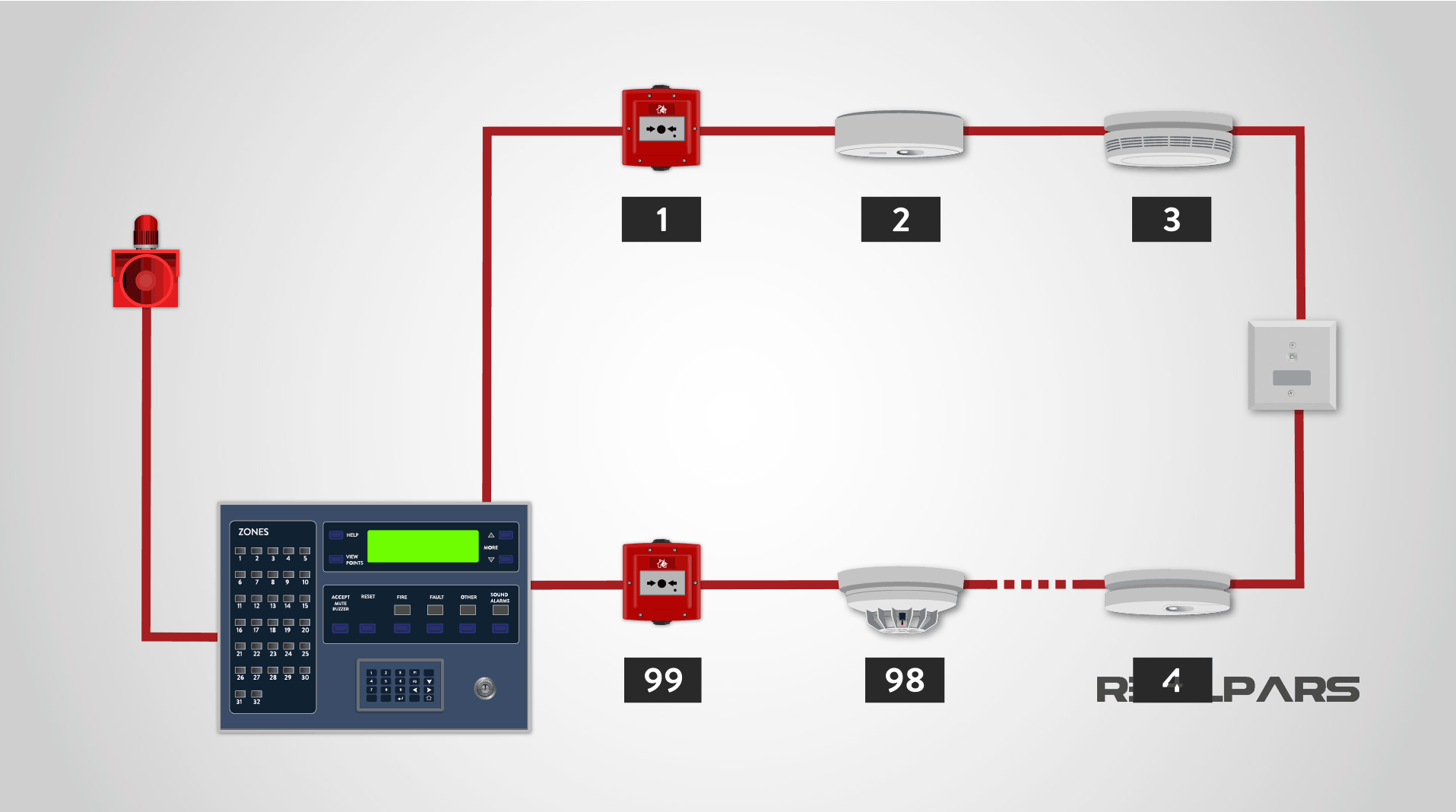
Fire safety is the backbone of modern facility management, ensuring lives and properties are protected around the clock. A fire system is only as strong as the network components that connect its parts, from detectors and sensors to control panels and suppression modules. In this article, we’ll break down the basic network components in a fire system, explain why they matter, and highlight trusted products available on Stock on Fire.
Modern fire alarm systems rely on strong networks and workstations to ensure smooth communication between detectors, control panels, and safety modules. These components create a reliable backbone that keeps your fire system connected and responsive.
Shop Now – Discover High-Quality Fire Safety & Industrial Products:
shop now
What Is a Fire System and How Does It Work?
A fire system is an interconnected solution of hardware and software designed to detect, alert, and suppress fires before they spread.
Key Functions of a Fire Detection System
- Detection: Using smoke, heat, or gas detectors to sense risks.
- Control: Centralized processing through a fire alarm control panel.
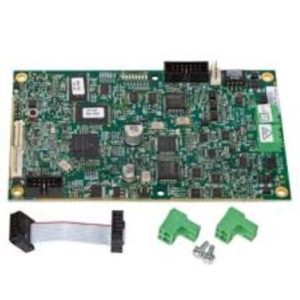
- Communication: Signals transmitted via network cards and modules, such as the Morley 795-099 Network Card.
- Notification: Sirens and strobes warn building occupants.
- Suppression: Activating fire suppression devices for containment.
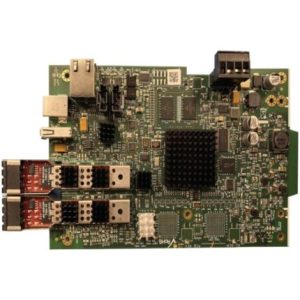
This structure ensures smooth integration, and with reliable components like Notifier HS-NCM-W High-Speed Wire, communication across large facilities is seamless.
Browse Network Components and Fire Systems Now:
A wireless fire alarm system offers flexible installation without the need for extensive cabling. It connects detectors, panels, and notification devices seamlessly, making it ideal for both modern buildings and retrofit projects.
Basic Network Components in a Fire Alarm System
Fire Alarm Control Panel (FACP)
The control panel acts as the brain of the system. Addressable control panels, available at the Stock on Fire Shop, pinpoint exact alarm sources, reducing response times.
Detectors and Sensors (Smoke, Heat, Gas)
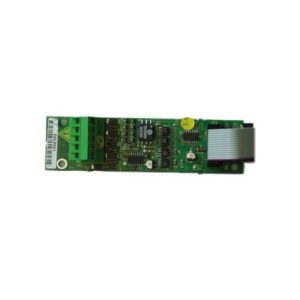
Detectors are vital sensory points. For enhanced reliability, they connect through advanced interface modules like the Notifier 020-478 Isolated RS232 to ensure uninterrupted communication.
 Notification Appliances (Sirens, Strobes)
Notification devices deliver both audible and visual alerts, providing critical warnings even in noisy environments.
Fire Suppression Modules
These components automatically release extinguishing agents to contain or eliminate fires, a must-have for high-risk environments.
Power Supply Units
Backup power ensures uninterrupted operation. Even during outages, modules like the Morley 795-004-001 Communication Module maintain signal integrity across the network.
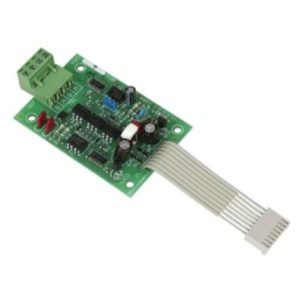 Communication Modules (Wired/Wireless)
Communication modules keep everything connected. For example, Notifier HS-NCM-SF Fiber Single Mode
 and Notifier HS-NCM-MF Fiber Multi-Mode
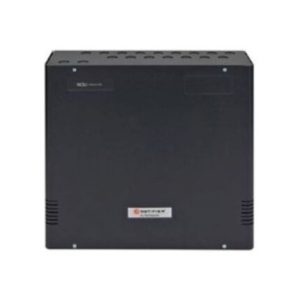
 provide stable fiber-based links for large installations, while the Notifier Gateway 002-467 allows integration with external systems.
Sell Your Stock Faster—Register as a Vendor Today:
Fire alarm system initiating devices are the first line of defense in fire safety. They include smoke, heat, and gas detectors that sense hazards and send signals to the control panel for immediate response.
Why Choosing the Right Network Components Is Critical
Impact on System Reliability
Poor-quality modules may cause false alarms or system downtime. Using trusted options like Notifier high-speed communication wires ensures uninterrupted reliability.
Response Time in Emergencies
The faster signals travel between detectors and panels, the quicker the response. High-performance network cards and gateways significantly reduce reaction times.
Scalability and Maintenance
Facilities grow over time. With flexible products like the Notifier HS-NCM-MF Fiber Module, systems can expand without replacing the entire infrastructure.
Top Fire System Components Integrated Across Your Facility
Stock on Fire supplies a complete range of fire safety components, from panels and detectors to communication modules. Some highlights include:
- Addressable Control Panels – Precise detection and monitoring.
- Notifier 002-467 Gateway – Integrates fire systems with external networks.
- Morley 795-004-001 Communication Module – Maintains data flow between detectors and control panels.
- Notifier HS-NCM-SF Fiber Single Mode – Reliable for long-distance communication.
- Notifier HS-NCM-MF Multi-Mode Fiber Module – Designed for complex networks across industrial sites.
For the full collection, explore Network Components on Stock on Fire.
A fire fighting system is designed to control and suppress fires using equipment like sprinklers, pumps, and extinguishing agents. It works alongside detection systems to protect lives and property effectively.
Need Help? Contact Us for Support & Product Guidance:
FAQs
Q1: What Are the Most Important Components in a Fire System?
The essentials include the control panel, detectors, notification appliances, communication modules, and power supplies. Each ensures seamless integration.
Q2: Can I Customize a Fire System Based on My Facility Needs?
Yes. With modular solutions like the Notifier Gateway or Morley modules, you can scale systems to suit offices, factories, or hospitals.
Q3: Are the Components from Stock on Fire Compliant with International Safety Standards?
Absolutely. Stock on Fire offers products certified under NFPA and EN54, ensuring compliance and global recognition.
Q4: What’s the Difference Between Addressable and Conventional Fire Systems?
Addressable systems identify the exact location of an issue, while conventional systems divide facilities into zones. Addressable panels available at Stock on Fire provide faster, more precise monitoring.
Q5: How Do I Ensure My Fire System Remains Functional Over Time?
Regular testing, maintenance, and using durable modules like the Notifier fiber communication series ensure system reliability for years.
Final Thoughts
A fire system is more than just alarms—it’s a network of integrated modules working together. By choosing the right components, from control panels to fiber communication modules, facilities can achieve maximum protection.
Explore the complete collection at Stock on Fire and ensure your fire safety system is built on reliable, high-performance components.
