


What Is a Fire Fighting System?
Definition and Importance
A fire fighting system is a comprehensive network of equipment designed to detect, control, and extinguish fires, protecting lives, assets, and the environment. According to the National Fire Protection Association (NFPA), well-maintained systems can reduce fire damage by up to 60%.
For a complete range of professional-grade firefighting products, visit StockOnFire.
A Fire Alarm Control Panel is the central hub of any fire detection and alarm system, managing signals from detectors and triggering alerts to ensure quick response. For a detailed breakdown of types, functions, and installation tips, check out our complete guide to Fire Alarm Control Panels.
Get NFPA-Approved Fire Safety Equipment Now:
shop now
How It Works in Different Environments (Industrial, Residential, Commercial)
- Industrial: High-capacity pumps, hydrants, and foam systems for flammable chemicals.
- Residential: Compact sprinklers and portable extinguishers for small-scale protection.
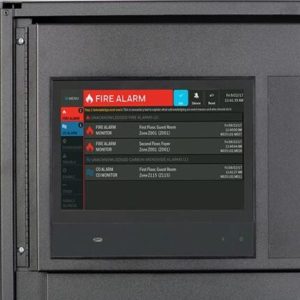
- Commercial: Integrated solutions with alarms and control systems like the Notifier NCD Touchscreen Display for centralized monitoring.
Types of Fire Fighting Systems
Water-Based Systems (Sprinklers, Hydrants)
The most common type, using stored water distributed through pumps and pipes. Automatic sprinklers activate with heat, while hydrants allow manual firefighting.
Foam Fire Fighting System
Creates a foam blanket to cut oxygen supply to flammable liquid fires, essential in oil refineries and petrochemical plants.
Dry and Wet Riser Systems
- Dry risers: Empty pipes connected to an external water source during emergencies.
- Wet risers: Always charged with water for immediate use.
Gas-Based Fire Suppression System
Ideal for areas with sensitive electronics, using CO₂ or FM-200 without causing water damage.
Portable Fire Extinguishers
First-line defense for small fires. Browse the StockOnFire shop for suitable models.
For a deeper look into integrated safety solutions, check our detailed guide on Understanding Fire and Gas Detection Systems: Components, Technologies, and Applications. This resource covers essential components, advanced detection technologies, and key applications across industrial, commercial, and residential sectors.
Main Components of a Fire Fighting System
Fire Pump and Controllers
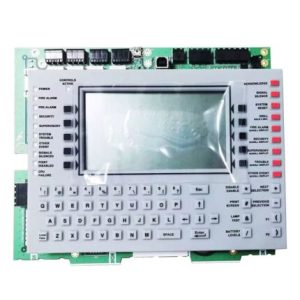
Pumps maintain water flow and pressure, managed by controllers like the Notifier NCA-2 Network Control Annunciator.
Fire Hose Reels and Cabinets
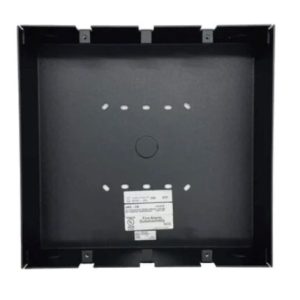
Provide manual firefighting capabilities. Mounting solutions include the Notifier ABS-TD Annunciator Backbox.
Sprinkler Heads
Heat-activated devices that discharge water directly onto the fire.
Valves, Pipes, and Alarms
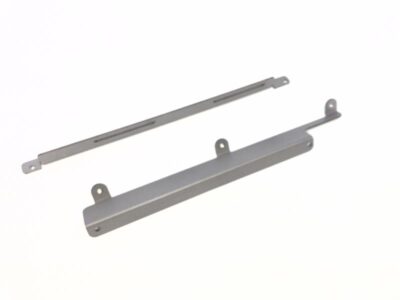
Direct and control water flow, with advanced integrations like the Notifier NCA-640-2 Mounting Kit.
Fire Water Tank and Jockey Pump
Ensure water availability and maintain system pressure.
Don’t Wait for an Emergency — Buy Now:
shop now
For high-risk areas where gas leaks can occur, Gas Detection Systems play a critical role in ensuring workplace safety. These systems monitor hazardous gases in real time, alerting personnel before dangerous levels are reached—making them essential for industrial and construction environments.
Fire Fighting System Installation Requirements
NFPA and Local Civil Defense Guidelines
Compliance with NFPA standards and local laws ensures effectiveness and safety.
Area Coverage and Pressure Considerations
System design must provide consistent pressure across all points, especially in high-rise buildings.
Electrical and Mechanical Coordination
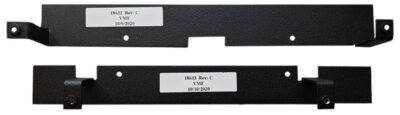
Integration with alarm systems is essential. Retrofit projects can use the Notifier NCA-2 Retrofit Mounting Kit.
Fire Fighting Systems for Different Sectors
Commercial Buildings
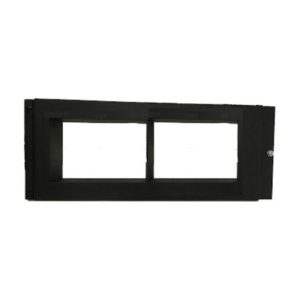
Commonly integrate sprinklers with control panels like the Notifier DP-GDIS2 Annunciator Dress Plate.
Warehouses and Factories
Require high-capacity hydrants, foam systems, and robust pumps.
Residential Complexes
Use smaller-scale wet risers and strategically placed extinguishers.
Oil & Gas and Petrochemical Sites
Depend on foam and gas-based suppression systems for high-risk operations.
Maintenance and Testing of Fire Fighting Systems
Monthly and Annual Testing Procedures
Follow NFPA recommendations for monthly pump tests and annual inspections.
Common Maintenance Checklist
- Inspect sprinklers and hoses.
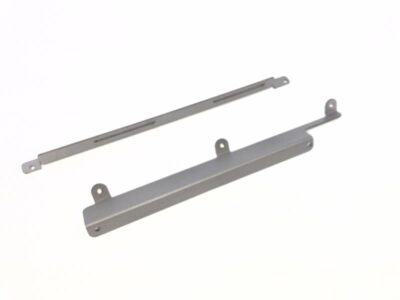
- Test alarms and annunciators like the Notifier NCA-640-2 Kit.
- Verify tank levels and pump function.
Role of Fire Safety Professionals
Trained professionals ensure compliance and maintain operational readiness.
Fire Fighting System vs Fire Alarm System: What’s the Difference?
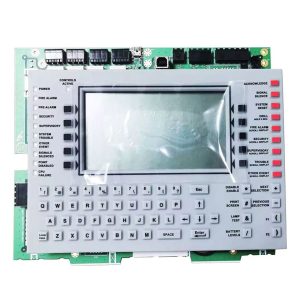
A fire fighting system actively suppresses fires, while a fire alarm system alerts and coordinates evacuation. Products like the Notifier NCA-2 combine monitoring and control.
How to Choose the Right Fire Fighting System for Your Building
Risk Assessment and Hazard Type
Identify primary fire risks—electrical, chemical, or combustible materials.
System Compatibility with Existing Infrastructure
Ensure integration with existing alarm and control systems. Browse Notifier products for compatible solutions.
Your Safety Starts Here — Browse Our Systems:
shop now
For businesses looking to source certified fire protection equipment, partnering with trusted Fire Safety Distributors ensures access to high-quality, NFPA-compliant products. From advanced alarm panels to complete fire suppression systems, these distributors provide reliable solutions tailored to commercial, industrial, and residential needs.
FAQs
What is the most effective fire fighting system?
It depends on the hazard. Water-based sprinklers are most common, but gas or foam systems may be more effective for chemical or electrical risks.
How often should a fire fighting system be serviced?
Monthly inspections and annual full-service checks are recommended by NFPA.
Can I install a fire fighting system at home?
Yes, smaller sprinkler systems and extinguishers can be installed in residential settings for added safety.
What are the legal requirements for fire protection systems in Saudi Arabia?
Systems must comply with both NFPA and local Civil Defense regulations, which vary depending on building type and use.
What is the difference between a dry riser and a wet riser?
Dry risers are empty until connected to an external supply; wet risers are permanently filled with water.
Are fire extinguishers part of a fire fighting system?
Yes, they are essential components, particularly for first-response firefighting.
