


What Is a Fire Alarm Control Panel?
Basic Definition and Role
A fire alarm control panel is the central brain of a fire detection system. It processes data from smoke and heat detectors and then triggers alarms or notifies emergency services. Without it, even the best sensors would be useless.
To fully grasp how a fire alarm control panel fits into the broader safety infrastructure, it helps to understand the full system it operates within. Learn more about the essential components of fire detection systems and their key benefits in our detailed guide: Understanding Fire Detection Systems: Essential Components and Benefits
Key Components Inside the Panel
A typical panel includes:
- Central processing unit (CPU)
- Input circuits for detectors
- Output circuits for alarms
- Battery backup
- Display or interface
These components work together to detect fire, alert occupants, and ensure a coordinated response.
How It Communicates with Detectors and Alarms
Once a detector senses smoke or heat, it sends a signal to the control panel. The panel processes this input and activates sirens, strobe lights, or notifications. Many advanced systems—like those available at Stock On Fire—can even integrate with building management systems (BMS).
Types of Fire Alarm Control Panels
Conventional Control Panels
Conventional systems group devices into zones. If an alarm is triggered, the panel displays which zone is affected but not the specific device. One such example is the ESS8-2PLUS Conventional Panel, which supports 8 zones and features a user-friendly TFT screen.
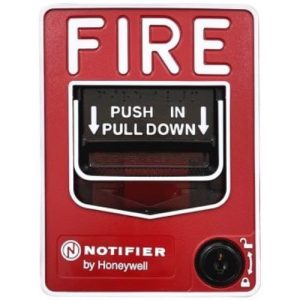
Discover Winning Stocks Before Everyone Else:
Addressable Control Panels
Addressable panels assign unique addresses to each device, allowing precise detection. This minimizes response time and false alarms. Some advanced options are available through Stock On Fire’s full fire system catalog.
Hybrid Systems
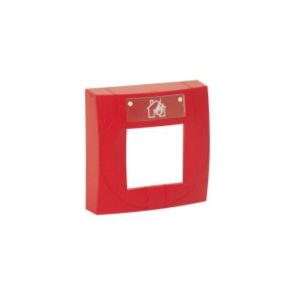
Hybrid systems combine conventional and addressable features, offering flexibility for upgrades and retrofits. These setups are often supported by essential components like the ESSER 704900 MCP Housing, which enables reliable manual fire alarm activation through a durable glass panel—ensuring quick and visible response in emergency situations.
How a Fire Alarm Control Panel Works?
Receiving Signals from Devices
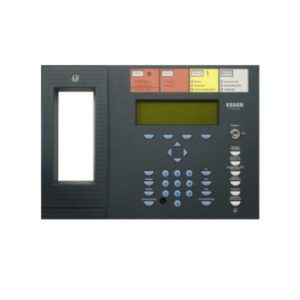
When detectors send a signal, the panel’s CPU interprets it based on predefined rules. Systems like the ESSER 786302 Operating Front help streamline this interaction by providing a responsive operator interface.
 Activating Audible and Visual Alarms
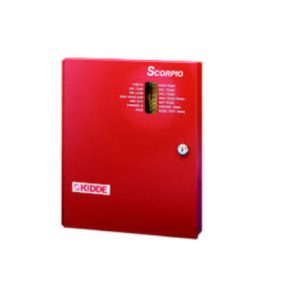
Once a fire condition is confirmed, the panel triggers sounders and visual alerts. This immediate feedback is essential for evacuation. The Kidde O-Control Panel is a great example of a compact, effective solution for smaller facilities.
Notifying Emergency Services or BMS Systems
Some panels can automatically notify responders or interact with BMS systems. Licenses like the ESSER WM2030 License enable additional functions such as remote access or central monitoring.

For a deeper look at how fire and gas detection systems work together to ensure complete safety, check out our in-depth article: Understanding Fire and Gas Detection Systems: Components, Technologies, and Applications. It covers the key elements, latest technologies, and where these systems are most effectively applied.
Test Drive Our Live Screener – No Signup Needed:
Where Are Fire Alarm Control Panels Used?
Commercial Buildings
Shopping centers, offices, and hotels rely on advanced control panels to protect people and assets. Addressable systems are ideal here.
Industrial Sites
Factories require rugged systems. Panels like the ESS8 PLUS with modular design and custom zoning are suitable for such complex environments.
 Hospitals and Educational Facilities
In high-occupancy buildings like hospitals and schools, fire alarm systems must be fast and reliable. Features such as zone prioritization and direct communication to control rooms are key.
Residential Complexes
Even residential buildings use systems like the Kidde Battery Panel for backup during power loss, maintaining fire readiness at all times.
 Key Features to Look for in a Fire Alarm Panel
Zone Capacity
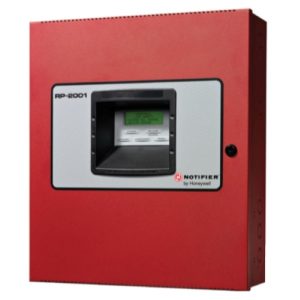
Always check how many zones the panel supports. The ESS8-2PLUS supports up to 8, which is ideal for small to mid-sized properties.
Expandability
Choose systems that can be upgraded over time. Panels with modules like the ESSER WM2030 License help future-proof your investment.

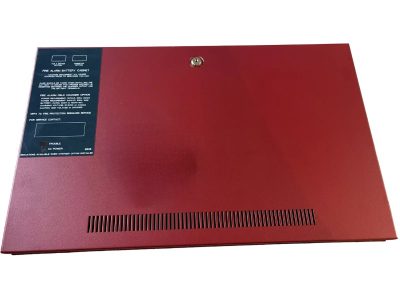
Notifier NFS-LBBR Battery Cabinet
The Notifier NFS-LBBR Battery Cabinet provides a secure enclosure for backup batteries, ensuring uninterrupted power supply to fire alarm control panels. Designed for reliability and easy installation, it supports batteries up to 55 Ah and integrates seamlessly with Notifier systems to maintain optimal performance during power outages.
Real-Time Stock Insights at Your Fingertips:
Network Integration
Modern panels connect to the cloud or LAN networks for remote monitoring. These features are increasingly becoming standard in products listed on Stock On Fire.
Installation Requirements and Best Practices
Location of the Panel
Install the panel in a visible, accessible area—often near building entrances or fire control rooms. Avoid areas with moisture or high heat.
Compliance with NFPA and Local Codes
Your fire alarm system must follow NFPA 72 and local codes. Purchasing certified panels from a trusted platform like Stock On Fire ensures regulatory compliance.
Proper Cabling and Power Supply
Use fire-rated cables and secure connections. Ensure the system is connected to a dedicated power source and has backup batteries like Kidde’s models.
To understand how fire alarm systems integrate into your home’s broader security landscape, don’t miss our detailed overview in The Best Security Systems With Home Automation of 2025. It covers cutting-edge security and automation technologies, so you’re always ahead in protecting what matters most.
Maintenance and Troubleshooting
Routine Inspection Checklist
- Test alarm sounds and strobes
- Check panel display for faults
- Confirm battery and power supply status
- Clean and recalibrate smoke detectors
- Update any licenses (e.g., ESSER WM2030)
Common Faults and Their Meanings
- Device Fault: A faulty or disconnected detector
- Ground Fault: Cable shorting or insulation failure
- Communication Loss: Issue between panel and remote monitoring
- Power Supply Failure: Check battery like Kidde 06-115915-020
When to Call a Fire System Technician
If your fire alarm control panel shows continuous errors or fails inspection, contact a certified technician. Panels such as ESS8 PLUS require professional handling for repairs or firmware updates.
Final Thoughts
Choosing the right fire alarm control panel isn’t just a technical decision—it’s a life safety investment. Whether you’re managing a warehouse, office, or residential building, you need a panel that’s reliable, expandable, and compliant with safety codes.
From addressable options to traditional zone panels, Stock On Fire provides a wide range of certified systems for every project need.
Ready to Build a Safer Environment?
Browse Stock On Fire’s Fire Alarm Collection now to find the right control panel for your project.
Whether you’re upgrading, expanding, or starting fresh—our curated solutions like ESS8-2PLUS and Kidde Control Panels are tested, trusted, and ready for deployment.
If you’re exploring how electrical safety connects with fire protection, it’s worth reading The Basic Functions of the LV Switchgear Panel. This guide breaks down how low-voltage switchgear panels manage power flow, prevent faults, and support integrated safety systems—including fire alarms.
Don’t Miss Daily Stock Signals & Trends:
(FAQ)
What is the difference between conventional and addressable panels?
Conventional panels divide the system into zones, and if an alarm is triggered, the panel can only tell you which zone—not which specific device.
Addressable panels, on the other hand, assign unique addresses to each device. So, if a smoke detector in Room 205 activates, the panel tells you exactly that—saving time and improving response accuracy.
How often should a fire alarm panel be tested?
According to safety standards like NFPA 72, a fire alarm control panel should be visually inspected weekly, and functionally tested at least once a year. In high-risk facilities, more frequent testing may be required. Always follow local regulations and manufacturer guidelines.
Can I silence an alarm from the control panel?
Yes, most modern panels—such as ESS8-2PLUS or Kidde models—have a “Silence” or “Acknowledge” button that lets you mute the audible alarms once the situation is under control or being investigated. Note that silencing does not reset the panel.
What does “trouble” mean on a fire alarm panel?
“Trouble” typically refers to a non-fire issue that affects system performance. It could be a power loss, wiring issue, disconnected device, or communication failure. You’ll usually see a yellow indicator and a description on the screen. Panels like the ESS8 PLUS provide clear trouble logs for faster diagnostics.
Do fire alarm panels need internet connection?
Not always. Basic panels work offline. However, for remote monitoring, cloud alerts, or integration with smart BMS systems, internet or network connectivity becomes essential. Some systems support this via optional modules or licenses like the ESSER WM2030 License.
How much does a fire alarm control panel cost?
Prices vary widely depending on brand, features, and number of zones. Entry-level conventional panels can start from a few hundred dollars, while high-end addressable systems can reach several thousand. You can explore current models and prices directly on Stock On Fire’s store.
