

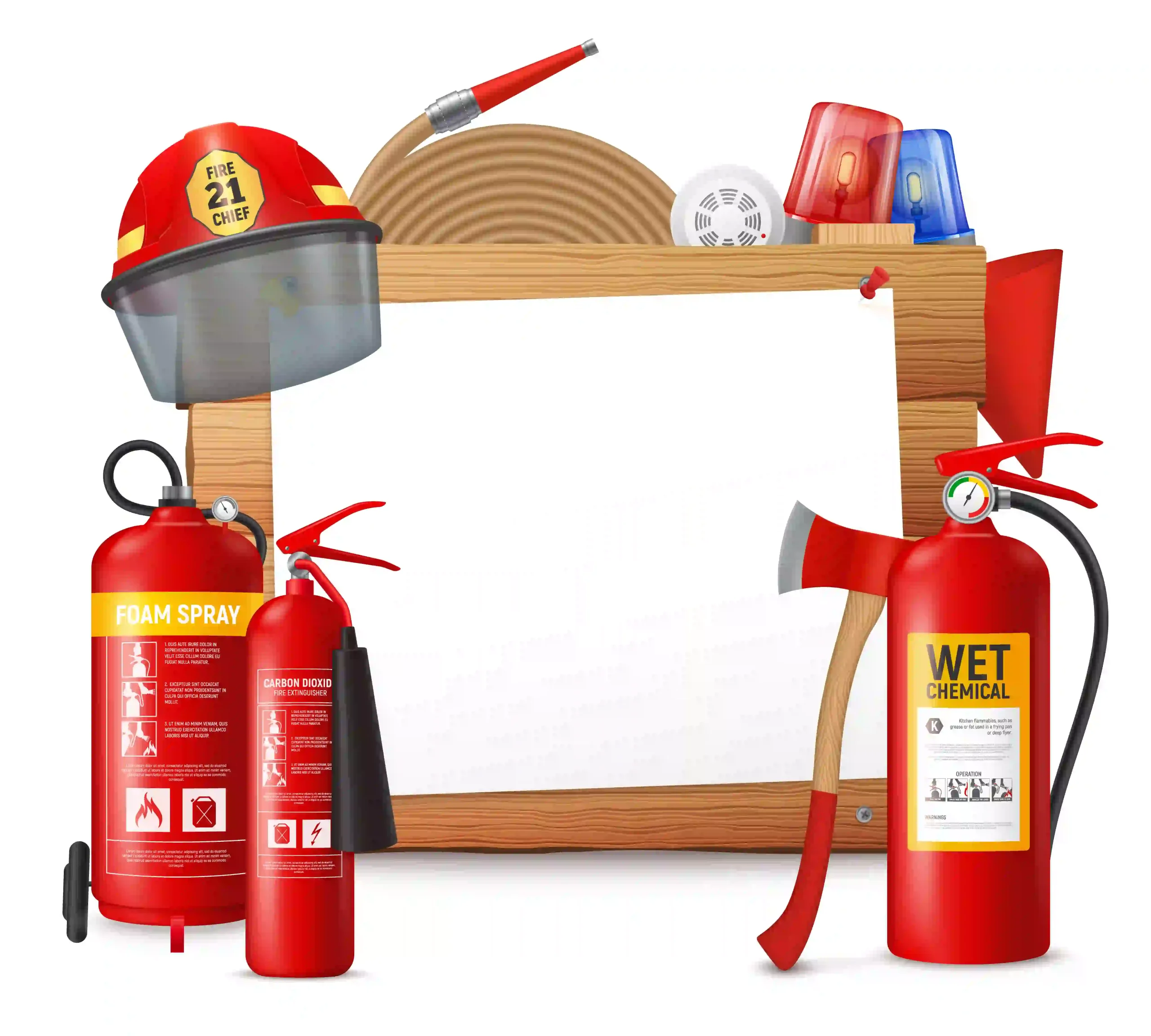
Understanding Fire Fighting: Essential Techniques and Strategies for Safety
Fire fighting is a critical aspect of public safety, aimed at saving lives, protecting property, and minimizing environmental damage. It’s not just about extinguishing flames—fire fighting requires quick decision-making, specialized knowledge, and powerful tools. According to the National Fire Protection Association (NFPA), over 1.3 million fires were reported in the U.S. in 2023 alone, underlining the urgent need for ongoing fire safety efforts.
Techniques include direct attack, indirect attack, ventilation, and containment. Whether it’s structural fires, wildfires, or industrial blazes, firefighters must adapt strategies accordingly.
The Evolution of Fire Fighting: From Ancient Methods to Modern Technology
In ancient times, fire fighting relied on rudimentary tools—buckets of water, sand, and human chains. Today, fire departments use drones for surveillance, fire-retardant chemicals, and AI-based incident prediction systems. The introduction of systems like flame detectors and gas leak sensors has revolutionized how we approach early-stage fires.
On platforms like Stock On Fire, you’ll find a wide array of modern fire fighting tools and control systems for industrial and commercial needs.
Your safety starts here. Shop trusted fire protection gear:
shop now
Fire Fighting Equipment: A Comprehensive Guide to Tools and Gear
Modern fire fighting gear includes:
-
Flame detectors: Essential for early fire identification.
-
Gas leak sensors: Especially crucial in chemical and industrial environments.
-
Fire alarm control panels: The brain of fire protection systems.
-
Suppressants: Including foam, dry chemicals, and clean agents.
Stock On Fire offers essential products like:
The Role of Fire Fighters: Training, Responsibilities, and Community Impact
Firefighters are more than emergency responders. They’re educators, investigators, and life-savers. Their training involves fire behavior, rescue operations, hazardous materials, and first aid. In many communities, fire departments also conduct outreach programs to teach children and residents about fire safety.
Fire Fighting Tactics: How to Effectively Combat Different Types of Fires
Different fires require different approaches. For instance:
-
Class A (wood, paper): Water-based extinguishers are ideal.
-
Class B (flammable liquids): Use foam or CO₂.
-
Class C (electrical): Non-conductive agents are essential.
-
Class D (metal): Special powders are used.
-
Class K (kitchen): Wet chemical extinguishers are most effective.
Firefighters use thermal imaging cameras, fire-resistant gear, and breathing apparatus to handle high-risk situations.
Fire Safety Awareness: The Importance of Fire Fighting Education in Communities
Community awareness is essential. According to a 2022 FEMA report, 50% of fatal home fires occurred in properties without working smoke alarms. Fire safety campaigns, drills in schools, and accessible fire extinguishers can make a significant difference.
Innovations in Fire Fighting: Exploring New Technologies and Approaches
Technologies shaping the future of fire fighting include:
-
Smart detectors connected to cloud-based systems.
-
Autonomous fire suppression drones.
-
IoT-integrated fire alarm systems.
Stock On Fire’s collection of smart alarm panels and detection devices ensures that buildings are prepared with the latest advancements.
The Psychology of Fire Fighters: Coping with Stress and Trauma in the Line of Duty
The psychological toll of fire fighting is immense. From PTSD to burnout, firefighters face intense pressure. Support systems, counseling, and peer support groups are essential to maintaining mental health in the profession.
Fire Fighting and Environmental Impact: Balancing Safety with Ecological Concerns
While fire suppression is necessary, its methods can sometimes harm the environment. Chemical suppressants can affect water supplies, and large-scale water usage can cause run-off issues. That’s why clean agent systems and eco-friendly detectors, available at Stock On Fire, are becoming more widely used.
Preparing for Emergencies: How to Create an Effective Fire Fighting Plan for Your Home or Business
A strong fire plan includes:
-
Clearly marked exit routes.
-
Functional fire extinguishers and alarms.
-
Regular fire drills.
-
Maintenance of smoke and gas detectors.
You can equip your home or business with trusted systems from Stock On Fire, such as:
FAQ
What is the most important fire fighting equipment?
The most critical tools include flame detectors, gas sensors, fire extinguishers, and alarm systems—all of which can be found on trusted platforms like Stock On Fire.
How often should I check my fire alarm system?
Every 6 months for residential systems and quarterly for commercial spaces, along with annual professional inspections.
Can fire fighting equipment be environmentally friendly?
Yes, clean agents and smart systems minimize environmental impact while ensuring safety.
Cta
Don’t wait for a fire to take action. Equip your property today with reliable, modern fire fighting systems. Visit Stock On Fire to explore cutting-edge flame detectors, alarm control panels, and gas detection systems for maximum safety.
Your safety starts here. Shop trusted fire protection gear:
shop now
