

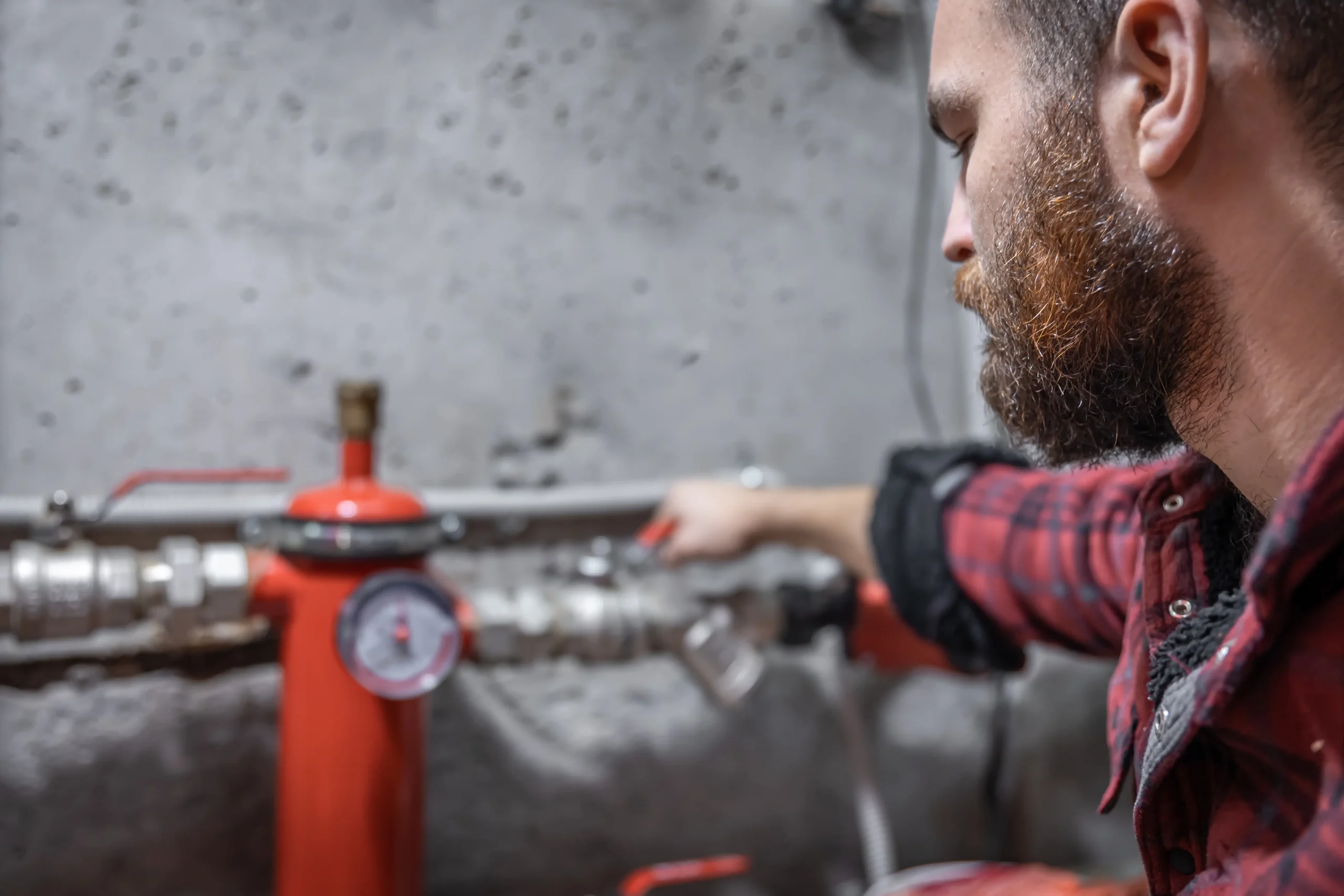
When it comes to protecting lives and property, the role of a Fire Systems Installer is not just important—it’s critical. In a region like the Middle East, where rapid development and high-rise infrastructure are on the rise, the demand for reliable fire detection and suppression systems has never been higher.
According to a report by MarketsandMarkets, the global fire protection systems market is expected to reach $88.9 billion by 2027, growing at a CAGR of 6.7%. In the UAE and Saudi Arabia, strict civil defense regulations mean that proper installation isn’t just preferred—it’s mandatory.
So, whether you’re a property developer, facility manager, or a contractor looking for insights, this guide will walk you through everything about fire systems installation, from qualifications and tools to real-life case studies.
Construction site alarm systems are vital for protecting valuable equipment and ensuring worker safety on active job sites. These systems combine motion sensors, perimeter alarms, CCTV integration, and sometimes fire or gas detection to provide 24/7 monitoring. Designed to withstand tough outdoor conditions, construction site alarm systems help deter theft, detect unauthorized access, and alert site managers instantly—reducing risks and enhancing site security.
What Does a Fire Systems Installer Do?
Key Responsibilities & Day-to-Day Tasks
A Fire Systems Installer is responsible for planning, installing, configuring, and testing fire protection systems in various types of buildings—from homes and retail outlets to hospitals and industrial complexes. Their daily duties include:
- Reading and interpreting design blueprints
- Installing smoke detectors, heat detectors, and alarm control panels
- Conducting functional tests and commissioning
- Troubleshooting and maintenance
Types of Systems Installed (Fire Alarms, Sprinklers, Gas Detection)
The installer may specialize in or handle multiple systems, such as:
- Fire Alarm Systems: Devices like Kidde Smoke Detectors and ESSER Fire Panels from Stock On Fire
- Fire Sprinkler Systems: Automated water-based systems for suppression
- Gas Detection Systems: Used in industrial facilities to detect leaks and prevent explosions. For instance, Gas Detectors by Det-Tronics or Kidde offer high-accuracy sensors for harsh environments.
Qualifications and Certifications Required
Top Global & Local Certifications (NFPA, UL, Civil Defense)
To be a professional Fire Systems Installer, one must obtain certifications like:
- NFPA 72: Standard for fire alarm systems
- UL Listed training
- Civil Defense approval (especially for UAE, Saudi Arabia, and Qatar)
Local authorities like the Dubai Civil Defense (DCD) or Saudi Civil Defense require registered installers to maintain regulatory compliance.
Fire system installation is a crucial step in ensuring safety and compliance for residential, commercial, and industrial buildings. It involves setting up fire alarm panels, smoke detectors, heat sensors, and sprinkler systems in line with local fire codes and international safety standards. A professionally executed fire system installation not only enables early fire detection but also minimizes property damage and saves lives by providing timely alerts and automated responses.
Order now and secure your site with certified fire safety products :
shop now
Why Certification Matters for Safety & Compliance
Installing a fire alarm system without proper certification can result in failed inspections, fines, and most importantly—compromised safety. Certified installers understand how to:
- Comply with local fire codes
- Choose approved equipment like Notifier Modules, Kidde Bases, and Esser Smoke Detectors
- Conduct reliable testing & documentation
Tools & Technologies Used in Fire System Installation
From Control Panels to Smoke Detectors: What Installers Use
Installers use a wide range of tools and components such as:
- Control Panels: e.g., ESSER IQ8Control C, available on Stock On Fire
- Pull Stations & Detectors: Like Kidde 70-540000-001 Smoke Detector
- Interface Modules & Sounders
- Multimeters, cable testers, and crimping tools
Emerging Technologies in the Field (Wireless, Smart Systems)
The fire protection landscape is evolving with:
- Wireless fire alarm systems
- Smart detectors that integrate with BMS (Building Management Systems)
- IoT-based monitoring tools for real-time alerts
These systems are ideal for large properties like smart offices, shopping malls, and remote industrial sites.
Installation Process Step-by-Step
Site Inspection & Risk Assessment
Before installation begins, a thorough risk analysis is conducted to identify:
- Potential fire hazards
- Occupant load and building use
- Code requirements per zone
System Design & Layout
Using CAD tools, a fire engineer maps out the system. This includes:
- Detector placements
- Panel locations
- Wiring routes
Installation, Testing & Commissioning
After the layout:
- Equipment is installed and labeled
- Functional testing is performed using tools like test gas or alarm simulators
- Final commissioning is done, along with DCD/Civil Defense inspectionsOrder now and secure your site with certified fire safety products :
Common Mistakes Installers Should Avoid
Poor Cable Management
Untidy or incorrectly labeled cabling can delay maintenance and inspection.
Incorrect Detector Placement
For example, placing a smoke detector near HVAC vents may result in false alarms.
Ignoring Local Fire Codes
Each country has its own codebook. Ignoring local regulations can lead to approval delays or safety violations.
Cost Factors in Fire System Installation
Equipment Cost vs. Labor
- Equipment can range from $50 for a basic detector to over $5,000 for an advanced gas detection panel.
- Labor costs vary by country and certification level.
How Building Size & Type Affect Pricing
For example:
- A villa might cost $2,000–$4,000 for a full system.
- A hospital or hotel may exceed $100,000 due to zoning, complexity, and multiple systems.
How to Choose a Reliable Fire Systems Installer
Here are quick tips:
- Check Certifications (NFPA, UL, Civil Defense)
- Ask for project references
- Ensure they use approved products from trusted platforms like Stock On Fire
- Request a detailed testing and commissioning reportUnderstanding fire detection systems is key to maintaining safety in any environment. These systems are designed to identify signs of fire—such as smoke, heat, or gas—and trigger immediate alerts to allow for quick evacuation and response. Whether it’s a conventional setup or an addressable system, fire detection systems include smoke detectors, heat sensors, control panels, and notification devices. Investing in a reliable system ensures early warning, reduces fire damage, and helps meet legal safety standards.
Real Case Studies from GCC or MENA
Installation in a Commercial Tower in Dubai
A 45-floor commercial tower in Dubai Marina required an integrated fire alarm and gas suppression system. The contractor sourced all Kidde sounders, detectors, and interface modules from Stock On Fire. The system passed Dubai Civil Defense inspection in one round due to proper design and documentation.
Fire System Upgrade in a Hospital in Riyadh
A private hospital in Riyadh upgraded its outdated fire alarm system with modern addressable panels and Det-Tronics gas detection for operating rooms. The Fire Systems Installer worked in coordination with Saudi Civil Defense to ensure minimal downtime during installation. The result? A safer environment for both patients and staff, with reduced false alarms.
Order now and secure your site with certified fire safety products :
shop now
Conclusion
Whether you’re building from scratch or upgrading an old system, choosing the right Fire Systems Installer can make the difference between compliance and catastrophe. With smart technologies, certified expertise, and reliable suppliers like Stock On Fire, protecting your facility has never been more efficient—or more critical.
